 EN/
EN/ Romana
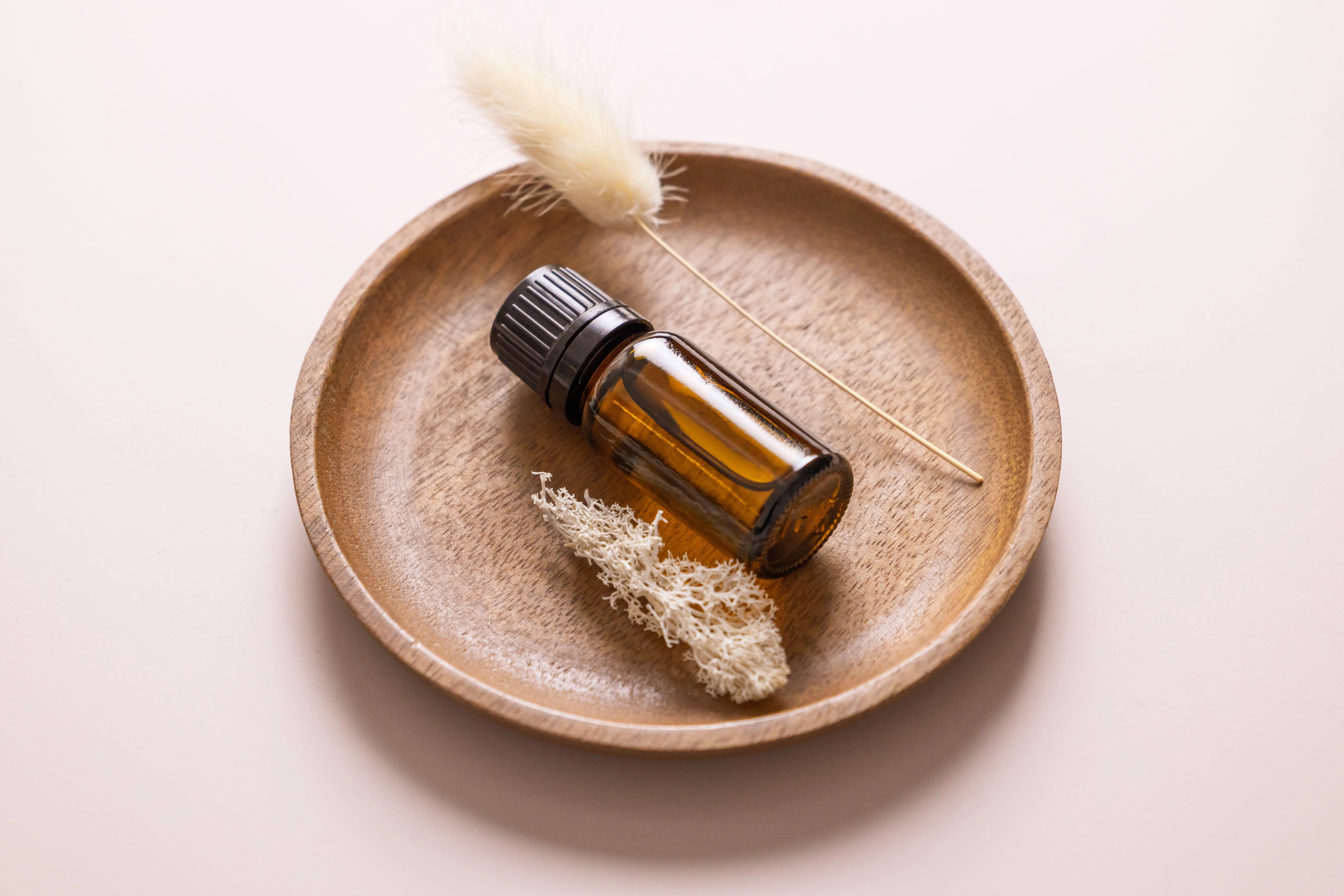
Perfume essence can refer to a concentrated blend of aromatic ingredients, but its composition and use vary depending on the product’s intended purpose. When it comes to home fragrance, choosing the right product depends on its scent profile, the space in which it will be used, and its compatibility with the fragrance diffusion system.
At a Glance
-
Intended use matters: personal fragrance and home fragrance are different categories, with specific formulas and usage instructions.
-
Price should be compared in context: volume, composition, and intended use all influence the cost of a fragranced product.
-
Perfume oil may have an oil-based formula, but not every formula is suitable for the skin or for use in a fragrance diffuser.
-
For home fragrance, the choice depends on the scent profile, the size of the space, and compatibility with the diffusion system.
-
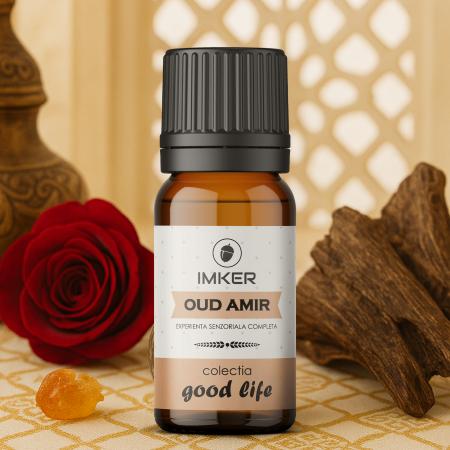
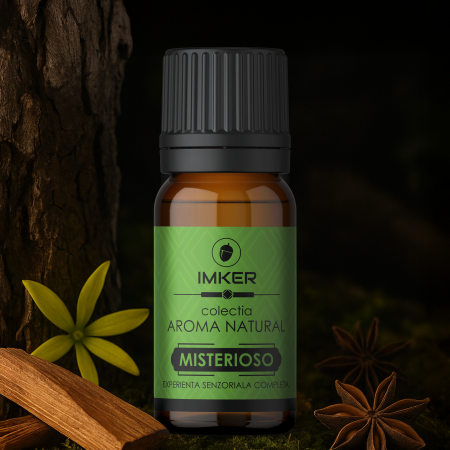
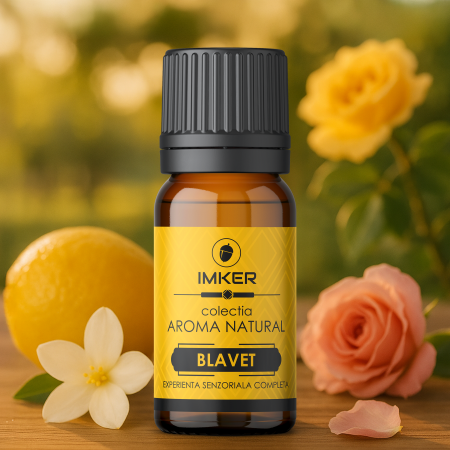
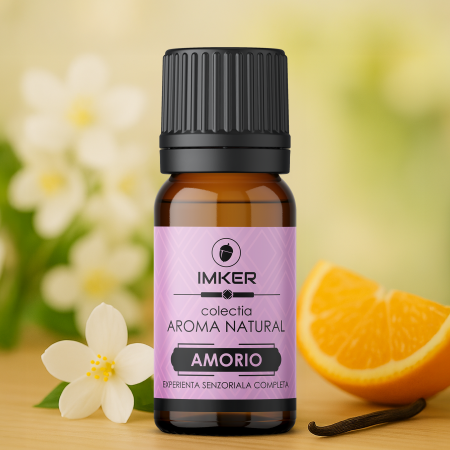
IMKER offers home and car fragrance solutions designed to suit different scent preferences.
What Is Perfume Essence?
Perfume essence is a blend of aromatic ingredients used to give a product a particular scent. Depending on its formula, it may contain natural or synthetic aromatic compounds, solvents, and other ingredients needed to ensure stability and suitability for its intended use.
The term does not always indicate a standardised concentration, nor does it guarantee that a product can be applied to the skin. For products intended to fragrance indoor spaces, it is important to check the stated purpose and compatibility with the diffusion system.
Home fragrance formulas are developed for their intended applications. Fragrances for homes and cars are chosen according to preferred scent notes and the atmosphere the user wants to create. The IMKER range includes home fragrance solutions for different spaces and scent preferences.
What Is Perfume Oil?
Perfume oil is a formula in which aromatic ingredients are dissolved or dispersed in an oil-based carrier or another suitable medium. Unlike many alcohol-based perfumes, this type of product does not necessarily use alcohol as its primary solvent. However, composition and intended use vary from one product to another.
A fragranced oil may be designed for personal fragrance, cosmetic products, or other applications. These categories should not be confused: a formula intended to fragrance a room is not automatically safe for application to the skin.
What Are the Benefits of Oil-Based Products?
An oil-based product may evaporate differently from an alcohol-based perfume, which can affect how its scent develops over time. However, fragrance longevity also depends on the aromatic ingredients, concentration, and conditions of use.
For home fragrance, the essential consideration is not simply the product’s base but also whether its formula is compatible with the device being used. Products recommended for a particular diffusion system should not be replaced with oils or essences chosen at random.
How Do You Compare Different Types of Perfume Essences and Fragrances?
A proper comparison starts with the product’s intended use, not just its commercial name. A personal fragrance, a scented oil, and an essence designed for a fragrance diffuser may have similar scent profiles, but their formulas are developed for different applications.
| Criterion | Personal Fragrance | Perfume Oil | Home Fragrance |
|---|---|---|---|
| Intended use | Application to the skin, according to the label | Depends on the declared formula | Fragrancing indoor spaces |
| Base | Often alcohol-based | Oil-based or another declared formula | Formula designed for the intended system |
| Application | Spray, roll-on, or another format | Usually controlled application | Diffuser or another compatible system |
| Main consideration | Skin compatibility and scent profile | Composition and intended use | Compatibility, intensity, and area |
| What to check | Label and instructions | Ingredients and permitted use | Instructions and compatibility |
How Should You Compare Prices?
Price should be assessed in relation to the product’s volume, intended use, and composition. Two 10 ml containers may have different prices because of their ingredients, concentration, or other characteristics of the formula.
When comparing home fragrances, consider the product volume, scent profile, and compatibility with the fragrance system you use. For refills designed for IMKER devices, your choice should start with the model of the device and your preferred fragrance, rather than the container’s price alone.
What Is the Difference Between Men’s and Women’s Perfume Essence?
Choosing a personal fragrance depends on scent preferences, the context in which it will be worn, and how the composition develops on the skin. Categories for men and women can be a useful starting point, but aromatic notes are not strictly limited by gender.
For home fragrance, the same scent families can be chosen according to the desired atmosphere. Citrus notes can create a fresh impression, floral notes can add softness, while woody or amber compositions can create a warmer atmosphere.
How Do You Choose a Men’s Perfume Essence?
A men’s perfume essence may feature woody, spicy, citrus, aromatic, or amber notes. For everyday use, some people prefer fresh and subtle compositions, while warmer and more intense fragrances may be chosen for the evening.
When choosing IMKER home fragrances, you can start with the same preferences for particular scent notes without restricting a fragrance to any specific group of people. What matters is that the scent suits the space and the atmosphere you want to create.
How Do You Choose a Women’s Perfume Essence?
A women’s perfume essence may feature floral, fruity, gourmand, citrus, woody, or oriental notes. To choose the right fragrance, consider the impression you want it to create and how it will fit into the space where you intend to use it.
What Are Oil-Based Perfume Essences, and When Are They Suitable?
Oil-based perfume essences are formulas in which an oil-based carrier helps deliver the aromatic ingredients. They can be used in different types of products, but not every oil-based formula is suitable for the skin, diffusers, or other applications.
For home fragrance, it is important to choose a product formulated for the system you use. The IMKER range includes fragrance solutions and refills designed for compatible devices. This does not mean that any fragranced oil can replace a home fragrance refill.
What Should You Know About Arabian Perfume Oil?
Arabian perfume oil is often associated with rich scent profiles that may feature amber, oud wood, musk, resins, spices, or floral notes. However, the olfactory style varies from one composition to another, and geographical origin does not guarantee a particular concentration or level of longevity.
When comparing Arabian perfume oil with a conventional perfume, consider the formula, volume, intended use, and information provided by the manufacturer. For home fragrance, you can explore woody, oriental, or spicy scent profiles, choosing according to your preferences and the compatibility of the product with your fragrance system.
How Do You Choose a Concentrated Premium Perfume Oil?
A concentrated premium perfume oil should be evaluated using verifiable information about its formula, ingredient quality, product consistency, and intended use. The term “premium” is a commercial description, not a unit of measurement or automatic proof of performance.
For home fragrance essences, compatibility with the diffusion system and the manufacturer’s usage recommendations are essential.
What Is Room Fragrance Essence, and How Do You Choose It?
Room fragrance essence is intended to fragrance indoor air through a compatible diffusion system. The formula should be selected according to the device being used, the size of the room, and the desired fragrance intensity.
When fragrancing your home, consider the size of the room, the desired intensity, and the diffusion system. A passive diffuser may be suitable for smaller spaces, while a cold-nebulisation device may be an option for larger rooms, depending on the device’s capacity and the manufacturer’s recommendations.
IMKER fragrance solutions include devices and refills designed for specific uses, helping ensure that the fragrance and diffusion system work together under the recommended conditions.
How Do You Choose a Fragrance for Each Room?
For a living room, you might consider woody, citrus, floral, or gourmand notes, depending on the atmosphere you want to create. In a bedroom, some people prefer subtle fragrances, while fresh and balanced compositions may work well in hallways or reception areas.
For the best results, consider the room’s floor area, ventilation, and the intensity of the device. A larger room does not automatically require a higher fragrance concentration: the capacity of the diffusion system and the manufacturer’s recommendations also matter.
For more ideas on incorporating fragrance into your home, read IMKER’s guide to the art of fragrancing your living room.
What Mistakes Should You Avoid When Buying Perfume Essence?
The most common mistakes include choosing a product based on price alone, confusing personal fragrance with home fragrance, and assuming that a higher concentration guarantees a better result.
Before placing an order, check the following:
-
Intended use. Confirm whether the product is designed for the skin, home fragrance, or another application.
-
Compatibility. If you are using a fragrance diffuser, check whether the formula is recommended for that type of system.
-
Expectations regarding longevity. Fragrance intensity and how long a scent remains perceptible depend on the formula and conditions of use, not just the product’s name.
If you are choosing a fragrance for your car, also read the article about common mistakes to avoid when choosing a car fragrance.
Which Sources Can Help You Verify Fragrance Safety?
For fragranced products, intended use is essential. IFRA Standards provide recommendations and restrictions for certain fragrance ingredients and categories of use.
You can consult the IFRA Standards and their application for further information.